
Smart Home Upgrades That Save Energy and Money

Smart Home UpgradesIn an era where environmental consciousness and cost savings are top priorities for homeowners, smart home technology has emerged as a game-changer. With the ability to automate and optimize various aspects of your home, smart home upgrades offer numerous benefits, including energy efficiency and reduced utility bills.

Smart Thermostats

One of the most effective ways to reduce energy consumption and save money is by installing a smart thermostat. Traditional thermostats often result in excessive heating or cooling, leading to wasted energy and higher utility bills. Smart thermostats, on the other hand, learn your preferences, monitor your daily routine, and adjust the temperature accordingly.

Energy Monitoring Systems

Understanding how much energy your household consumes is the first step towards reducing waste and saving money. Energy monitoring systems, such as smart plugs and smart meters, provide real-time data on your electricity usage for individual appliances or the entire home.

By identifying energy-hungry devices and monitoring their usage patterns, you can pinpoint areas of improvement and make necessary adjustments

Smart Lighting

Lighting accounts for a significant portion of a household’s energy consumption. Upgrading to smart lighting systems, such as LED bulbs and smart switches, can drastically reduce your energy usage and extend the lifespan of your bulbs.

Smart Power Strips

Many electronic devices continue to consume energy even when they are turned off or in standby mode. Smart power strips combat this “vampire power” by cutting off power to connected devices when they are not in use. Equipped with built-in timers or occupancy sensors, these power strips can detect when devices are idle or the room is vacant and shut down power accordingly.

Water-saving Devices

Reducing water usage not only conserves a precious resource but also lowers your utility bills. Smart irrigation systems can optimize your outdoor watering schedule based on weather conditions, moisture levels, and plant requirements. Leak detection sensors can alert you to potential leaks and water waste, preventing costly damage and excessive water usage. Smart shower heads and faucets can regulate water flow and provide real-time feedback on consumption, encouraging water conservation.

Embracing smart home upgrades presents an opportunity to save energy, reduce utility bills, and make your home more sustainable. By leveraging technologies such as smart thermostats, energy monitoring systems, smart lighting, smart power strips, and water-saving devices, you can contribute to a greener future as well as enjoy the added benefits of convenience and control over your living space. Homeowners should take advantage of these upgrades to make their homes smarter, greener, and more cost-effective.
The Most Common Dangerous Home Issues

The Most Common Dangerous Home IssuesThe most important reason to check for dangerous home issues is to ensure the safety of you and your family. Leaving home issues unchecked can cause significant damage to your property and if you’re planning to sell your home in the future, it’s important to ensure that it’s free of dangerous issues that could affect its value.

Here’s What to Look For:

Electrical problems: Faulty electrical systems, exposed wires, and outdated circuits can pose a serious risk of electrical fires, electrical shock, and electrocution.

Mold: Mold is a type of fungus that grows in damp, warm environments and can cause a variety of health problems, particularly for people with allergies, asthma, or weakened immune systems.

Carbon Monoxide Poisoning: Carbon monoxide (CO) poisoning is a potentially deadly condition caused by inhaling carbon monoxide gas, which is colorless, odorless, and tasteless. It can be produced by gas-powered appliances, such as furnaces, water heaters, and stoves, as well as by cars and generators.

Gas Leaks: Natural gas leaks can cause carbon monoxide poisoning, fire, and explosions. If you smell gas, you should evacuate your home immediately and contact your gas company.

Lead Poisoning: Lead poisoning is a serious health issue caused by exposure to lead, a toxic metal that can cause damage to the brain, kidneys, and other organs. Children under the age of 6 are particularly vulnerable to lead poisoning because their developing bodies can absorb more lead than adults.

Asbestos: Older homes may contain asbestos, which can cause lung cancer and mesothelioma. Asbestos should be removed by a professional.

Drowning: Drowning is a leading cause of accidental death, particularly among children and young adults. Drowning can happen in any body of water, such as pools, lakes, oceans, and even bathtubs. To prevent drowning, it’s important to always supervise children around water, never leave them unattended, and teach them basic water safety skills such as swimming and floating. Additionally, homeowners with pools should install fencing around their pools and use safety covers when the pool is not in use.

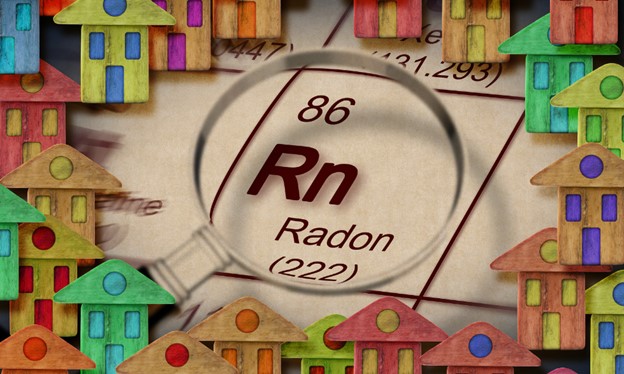
Radon: Radon is a naturally occurring gas that can seep into homes and cause lung cancer. A radon test can determine if your home has unsafe levels of radon.

Reducing Household Dangers

Reducing household dangers is important for maintaining a safe and healthy living environment. Here are some tips to help reduce potential dangers in your home:

  • Install smoke detectors and carbon monoxide detectors on each level of your home and outside each sleeping area. Test them regularly and replace the batteries as needed.
  • Keep fire extinguishers in accessible areas of your home and make sure everyone knows how to use them.
  • Keep all electrical cords in good condition and avoid overloading outlets or extension cords.
  • Regularly maintain and clean your home’s heating, ventilation, and air conditioning (HVAC) systems.
  • Keep your home free of clutter, especially on stairs and in walkways, to reduce the risk of trips and falls.
  • Ensure that your home has adequate lighting, especially in areas like stairways and entrances.
  • Regularly inspect and maintain your home’s plumbing systems to prevent water damage and leaks.
  • Store hazardous materials, such as cleaning products and chemicals, in a secure location away from children and pets.
  • Test your home for radon and consider installing a radon mitigation system if necessary.
  • Regularly inspect your home’s roof, foundation, and siding for damage and make repairs as needed.

It is important for homeowners to regularly maintain their homes and address any potential issues promptly to minimize the risk of harm. By following these tips, you can help to reduce potential dangers in your home and promote a safe and healthy living environment for you and your family.

Tired of Waiting for Summer? 3 DIY Projects That Will Keep You Busy Until the Weather Warms Up

Tired of Waiting for Summer? 3 DIY Projects That Will Keep You Busy Until the Weather Warms UpDo you find yourself staring out the window, longing for an early sunrise, hot days and late evenings? With spring just around the corner, it might feel like summer is a lifetime away.

However, the good news is that you can be productive around the home while you wait for summer to arrive. Let’s take a quick look at three easy do-it-yourself projects that will keep you busy until the summer sun is shining.

Add A Splash Of Spring-y Color

As long as you are willing to do the prep work, painting is one of the most straightforward home improvement projects you can undertake. It is also the best way to put your own personal touch in each room in your home.

If you haven’t painted before, it is best to start with a single room. Spend an hour or two watching instructional videos on YouTube before you head out and begin buying supplies.

The colors that you choose are up to you, but if you are going for a ‘spring’ look, consider pastel colors including soft greens, powder blues and creamy whites.

New Planters For The Garden

If you have a flower or vegetable garden, building new planters is a fun weekend DIY project. You can make planters out of wood, but a more durable option is to use granite, marble or another hard stone.

Simply buy four slabs of stone and a tube or two of stone adhesive. Line up the slabs together and, using a ruler, ensure they are at 90-degree angles. Caulk or glue the slabs on the inside of where they meet and then tape them together on the outside to hold them until the glue cures.

Bird Seed Rings For Your Feathered Friends

Do you enjoy the sound of birds around your home? If so, bird seed rings are the perfect treat to attract them. Creating these delicious treats is easy. Combine gelatin, corn syrup and flour into a thick paste. Mix this paste with a bag of bird seed, ensuring that it is fully combined. Then mold the rings together using a donut pan. Hang these tasty treats outside for your feathered friends to enjoy.

Investing your time in home improvement projects is an excellent way to wait out the sunny days of summer. If you decide that it’s too much work to renovate and that you would rather explore a new home, give us a call. Our friendly mortgage team is happy to help you get ready for your next purchase.