

DIY Lovers: ‘Greenify’ Your Home with These Three Eco-friendly Home Improvement Projects
 Are you a homeowner who is searching for ways to make your home a bit more eco-friendly? Equipping your home with “green” improvements can save a substantial amount of energy and money, especially over the long term.
In today’s post we’ll explore a few projects that handy do-it-yourselfers can undertake in order to make a home a bit friendlier to the local environment.
#1: Focus on the Windows
Depending upon the time of year, windows have an impact on both heating and cooling costs. In the summer, older windows can drastically heat up a home causing cooling costs to skyrocket. In the winter, older windows can leak cold air within the home and let out the heat, which causes the heating costs to rise as well.
A simple replacement of older windows can save a homeowner as much as 30 percent on annual energy costs, as newer windows are more efficient at insulating the home against the weather conditions outside.
Combining a window upgrade with other energy-related changes can lead to even greater savings. For example, consider installing a ceiling fan in rooms that are generally occupied – such as the living room or family room – as these can circulate cool and warm air and help to reduce energy use.
During the colder months, use as much solar heating as possible. Open up curtains, and trim trees to allow for natural light to enter the home. The sun heats up the home through radiant heating, which is an effective and essentially free source of energy.
#2: Improve Your Insulation
A home that is properly insulated will help to preserve its heat and cool air. Heat can leak out from the home through cracks, but it can also occur through convection heating. The air within the home will eventually cool down from a steady decline of heat when the heat is transferred outside through the walls.
Beyond hot and cool air leaking out from the home, each room within the home can indirectly influence the temperature in adjoining rooms. This is especially true for the garage and any room that shares common walls. By using insulation in the garage, the home may cool down by as much as 10 degrees Fahrenheit.
#3: Install Smart Thermostats
Some green options simply mean a change in which type of appliances are used. In terms of a thermostat, a “smart” one like the Nest Thermostat can be installed. Use of one can cut energy costs by 20 percent, at minimum, by simply adjusting to the homeowners’ schedule.
 Homeowner’s insurance is an incredibly valuable and beneficial policy for homeowners to have, but it is necessary to understand what traditional policies do and do not cover. Once you familiarize yourself with the intricacies of various plans you will be better educated to make the proper decision when selecting your desired level of coverage.
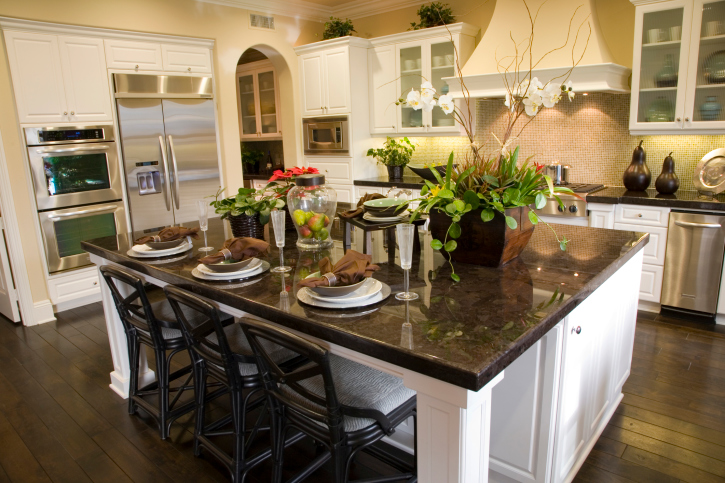 Renovating your kitchen is an excellent way to improve its look, increase the value of your home and appeal to a more diverse range of home buyers if you decide to sell. However, a kitchen remodel can easily cost $10,000 to $20,000 or more, which is why you want to make choices that you can live with.