
The Community Reinvestment Act Explained In Simple Terms

The Community Reinvestment Act Explained In Simple TermsThe federal government adopted the Housing and Community Development Act in 1977, and the Community Reinvestment Act (CRA) portion was designed to prompt lending institutions to provide mortgages for low- and moderate-income Americans. The underlying reasoning for the CRA was to discourage discriminatory lending practices that inhibited low-income communities and neighborhoods.

Over the years, its regulations have been revised to improve effectiveness. During the early 1990s, upwards of five changes were made and more following the 2007 financial crisis. With the country currently in the midst of an economic comeback, the Office of the Comptroller of the Currency announced that it favored making changes to the rules that govern lending under the CRA. These changes could have a significant impact on the real estate market.

Modernization of the Community Reinvestment Act

Critics of the CRA say that it has failed to keep pace with the emerging technologies readily available in the low- to moderate-income communities it was designed to serve. Falling behind in this capacity reportedly inhibited the worthy goal of the policy.

Organizations such as the American Bankers Association are said to be in favor of modernizing the CRA. This group continues to press regulators to bring resources into the technology era. Improved technological resources appear to be critical elements to meeting community borrowing needs and improving banking transparency.

Another aspect of the CRA some feel has trailed behind the times is that not all lending institutions are subject to CRA guidelines. If the goal of the CRA is to give low- and moderate-income families a fair shot at the American dream of homeownership, other financial organizations may need to come under the CRA umbrella. A greater CRA borrowing pool is likely to increase residential and commercial buying.  

How The CRA Helps Communities Build Wealth

The current administration has made some hay about pushing policies that centralize ownership in community members’ hands. Several of the potential rule changes to the CRA point to improved home and business ownership within low- and moderate-income communities. In essence, the changes are a kind of throwback to the days when the person who owned the local bakery, breakfast restaurant and hardware store lived within the community.

If successful, the discussed policy shift would encourage residents to buy residential and commercial real estate where they live. In some sense, the administration appears to be shielding living, breathing communities from the widespread corporate takeovers that occurred in the 1990s and early 21st Century.

Critics seem to worry that tinkering with guidelines may lead to quantity over quality lending. However, proponents see a long-term plan to revitalize communities by restoring and increasing localized property ownership.

If you are in the market for a new home or interested in refinancing your current property, be sure to contact your trusted home mortgage professional.
NAHB: Housing Market Index Rises 1 Point in July

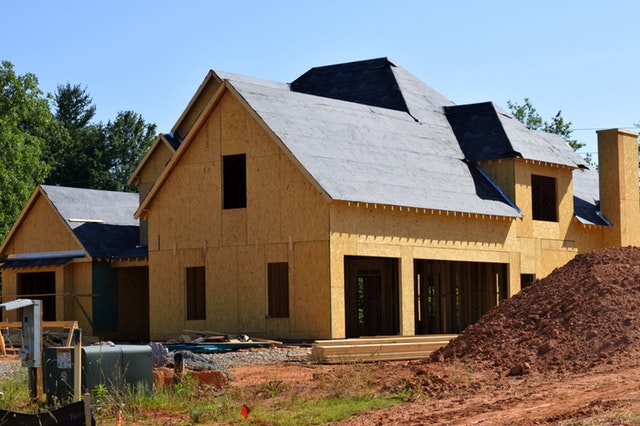
NAHB Housing Market Index Rises 1 Point in JulyHome Builder sentiment rose one point in July according to the National Association of Home Builders Housing Market Index. 2019 builder confidence in housing market condition continued to fall short of 2018 levels. July’s Housing Market Index reading of 65 was one point higher than June’s reading.

Component readings also rose one point each. Builder confidence in current housing market conditions rose to 72; the reading for builder confidence in market conditions for the next six months rose to 71. Builder confidence in buyer traffic in new housing developments rose to an index reading of 48; buyer traffic readings seldom exceed the neutral reading of reading of 50.

2019 Builder Confidence Is Lagging Behind 2018 Readings

Year to date, builder confidence index readings averaged 63 as compared to a reading of 67 in 2018 and 68 in 2017. Ongoing headwinds affecting builders were familiar concerns over materials prices and shortages of buildable lots and labor. Analysts said that builders remain leery of building to many homes after having large inventories of unsold homes after the Great Recession.

Builders also noted that increasing regulation and local building codes are impacting some areas. Builders are under pressure to produce affordable homes, but are log-jammed by “not in my backyard” zoning restrictions when they apply to build mixed developments of single and multi-family homes.

There may be good news on the horizon. Oregon passed state legislation banning exclusively single-family zoning. Depending on population, local jurisdictions will be allowed to build duplexes and larger multi-family units. If other states and communities follow Oregon’s lead, builders may find new options for building multiple units on lots formerly zoned for single family homes. Building affordable homes would help to ease housing shortages and ease demand for homes.

If you are in the market for a new home or interested in listing your current property, be sure to contact your trusted home mortgage and real estate professionals. 

Case-Shiller: Annual Home Price Growth Slows for 13th Consecutive Month

Case-Shiller Annual Home Price Growth Slows for 13th Consecutive MonthCase-Shiller’s 20-City Home Price Index for April showed further declines in home price growth with 2.50 percent year-over-year home price growth as compared to March home price growth of 2.60 percent. New York City home prices held steady month-to-month and Seattle, Washington’s home prices were unchanged year-over-year after posting 13 percent home price growth in 2018.

The top three cities with the highest rates of year-over-year home price growth were Las Vegas, Nevada with 7.10 percent growth; Phoenix, Arizona followed with 6.0 percent growth and Tampa, Florida reported 5.60 percent home price growth. All three cities were hard-hit during the recession. While U.S. home prices are rising, they aren’t rising as fast as in prior years. The fastest home price growth rates remained in single digits as compared to double digit home price growth rates posted in recent years.

Changing geography played a role in this year’s home price growth as San Francisco, California, Portland, Oregon and Seattle, Washington fell to sun-belt cities east of the west coast. Astronomical home prices and pronounced shortages of homes in many west coast cities caused home buyers to seek affordable homes elsewhere.

The Case-Shiller 10-City Home Price Index posted a year-over-year gain of 2.30 percent in April as compared to its March reading of 2.20 percent. Analysts said that slower gains for home prices indicated more normalized price conditions, but noted that home price growth remains about 1.50 percent ahead of inflation.

Buyers Benefit from Slower Home Price Growth, More Available Homes

First-time and moderate income home buyers were sidelined by competing investors and cash buyers as home prices rose quickly, but may find it easier to compete as market conditions achieve a balance of advantages to home buyers and sellers.

The flip side of easing home price growth may be that prospective buyers who are leery of buying at peak market prices will put off buying homes. Low mortgage rates continued to boost affordability and decreasing shortages of homes provided buyers with more options. Homebuyer sentiment is likely to vary according to economic trends, regional and personal circumstances.

If you are in the market for a new home or interested in refinancing your current property, be sure to contact your trusted home mortgage professional to discuss current financing options.