

Will Getting a Mortgage Help My Credit Score?
 Getting a mortgage can potentially help your credit score, as long as you make your payments on time and in full each month. Payment history is one of the most important factors that influence your credit score, so consistently making your mortgage payments on time can have a positive impact on your credit score over time.
It is important to carefully consider the financial implications of taking on a mortgage and to ensure that you can afford the payments before proceeding. It is also important to keep in mind that taking out a mortgage will also result in a hard inquiry on your credit report, which can temporarily lower your credit score.
Credit Diversity
Credit diversity refers to the different types of credit accounts you have on your credit report. Having a diverse credit history can have a positive impact on your credit score, as it shows lenders that you are capable of managing multiple types of credit responsibly.
When you apply for a mortgage, the lender will likely review your credit report to assess your creditworthiness. Having a diverse credit history, including a mix of credit cards, installment loans, and other types of credit accounts, can demonstrate that you are a responsible borrower and increase your chances of being approved for a mortgage.
Mortgages Get Reported
Mortgages are typically reported to credit bureaus and will appear on your credit report. This means that your mortgage payment history, including any late or missed payments, will be recorded on your credit report, and can impact your credit score.
Consistently making on-time mortgage payments can have a positive impact on your credit score, as it demonstrates that you are a responsible borrower. However, missing payments or defaulting on your mortgage can have a negative impact on your credit score and may make it more difficult to obtain credit in the future.
It’s important to regularly review your credit report to ensure that all information, including your mortgage, is being reported accurately. If you notice any errors or discrepancies, you should contact the credit bureau and the mortgage lender to have the issue resolved.
In summary, having a diverse credit history can be beneficial when applying for a mortgage, but it’s important to focus on maintaining a good overall credit profile, including making all payments on time and keeping your credit utilization.
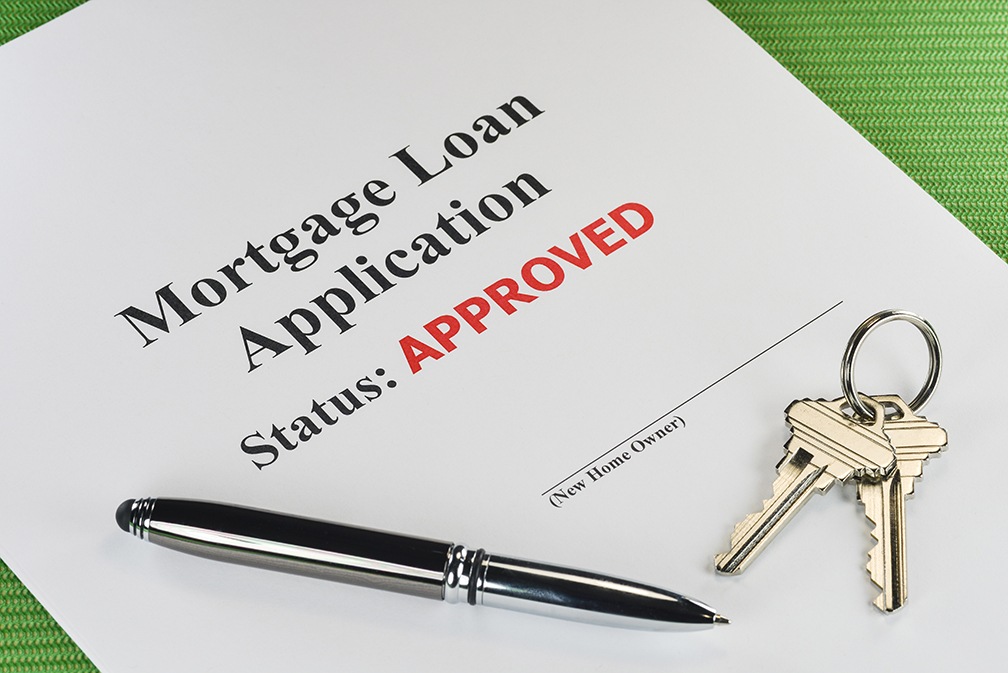 Are you in the market for a new home? If you are going to rely on mortgage financing to cover some of the purchase cost, you will need to start the application process as soon as possible. However, what if you just need to know how much you will be able to borrow so you can start finding homes in your price range?
 Have you finally found your dream home after months of searching, only to discover that the seller has received other offers? Few circumstances can raise your stress level as much as finding yourself in a bidding war against another buyer. However, being unprepared by not having your finances in order can make the situation even worse. Let’s take a quick look at a few ways that you can speed up your mortgage approval if you are in a hurry to buy your next home.