

3 Different Types of Loan That Will Negatively Impact Your Ability to Get a Mortgage
 A good credit rating is built on a number of financial factors including paying your bills on time and the length of your credit history, but loans can also be a source of bolstering your credit score in a positive way. While this means that loans can actually be a good thing, there are also the kinds of loans that can have a damaging impact on acquiring a mortgage. If you’ll soon be pursuing your own home purchase, here are some loans that may have a negative impact.
Borrowing For Education
When you are young, student loans are an ideal means of paying down your debt and developing a positive credit history. However, if these loans are left to linger they can have a marked effect on your chances of a mortgage approval. Since paying back your student loans will be one of the first times in your financial life that you’ll be able to prove your reliability, you should ensure you pay them on a consistent basis in order to lower your overall debt-to-income ratio.
Credit Card Debt
Many people don’t think of the purchases that go on their credit card as loans, but the money on your credit card does not really belong to you until it’s paid off. While credit cards can be a great boon for establishing your credit in the early days, if you rack up a lot of credit card debt and do not pay your minimum payments by the due date, it will cause a considerable dip in your credit score. In addition, taking on too many cards can be a negative signal to lenders.
Payday Loans
In recent years, payday loans have sometimes been broken out separately from other loans on a person’s credit report. However, unlike many other types of loans, payday loans can be seen in a bad light by lenders because they can be indicative of someone who’s experienced significant financial setbacks, which would negatively impact their ability to pay a mortgage. While some mortgage lenders will not decline an application due to payday loans, some have already started to take this step.
Acquiring loans can be a good means of developing a credit history, but there are types of loans that may look bad on your mortgage application and won’t be of service if you can’t pay them off consistently. If you’re considering submitting a mortgage application, contact your local mortgage professional for more information.
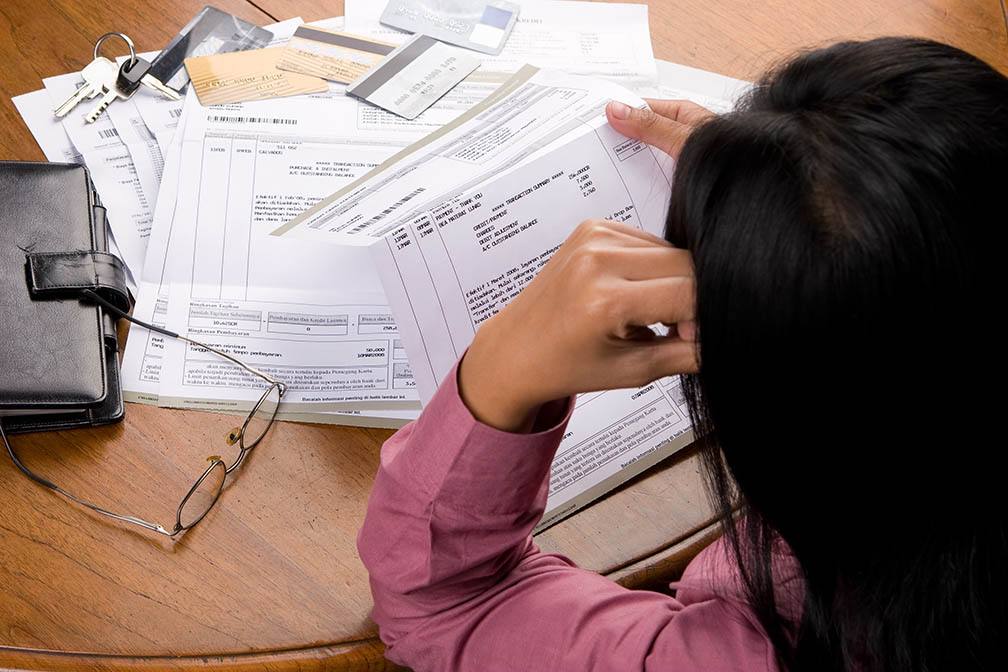 It may feel like a very daunting task to consider buying a home after you’ve declared bankruptcy, and there’s no doubt that it’s an uphill battle. Fortunately, while you’ll have hard work ahead, there are things you can do in order to make your dream of home ownership a possibility. Whether you’ve just declared bankruptcy or some time has passed, here are some things you should consider before getting into the market.
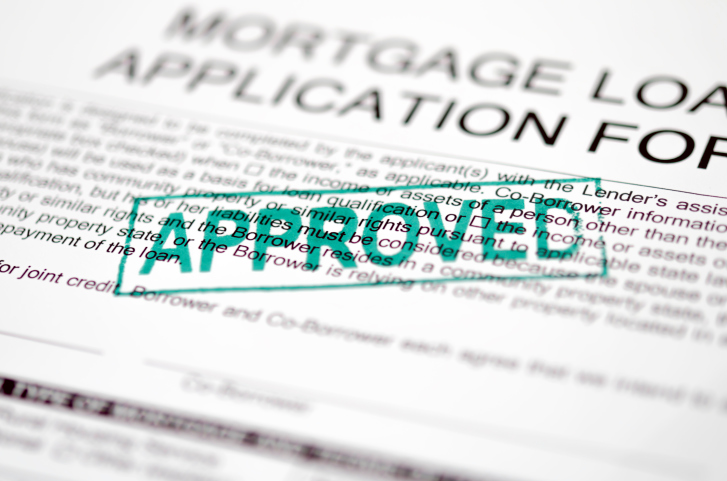 There are few things better than finding your dream home and being able to afford it, but simply because you’ve found the perfect place doesn’t mean you should stretch the truth. It might seem tempting to polish your mortgage application a little in the hopes of making a better impression, but here are a few reasons why you should stick to the truth when signing off on your home.