

Buying A Home In Foreclosure
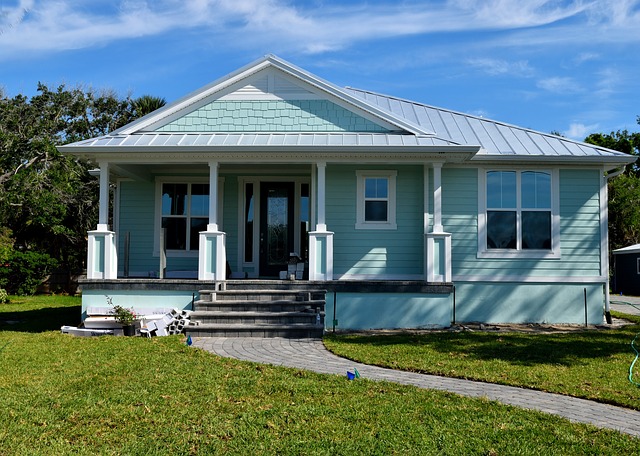 Foreclosure is a process that happens over many months. There are various opportunities to acquire real estate that is in a different stage of foreclosure, including before the foreclosure process completes. This short guide identifies the different stages and the opportunities that may exist to acquire a property at a discounted price.
Get The Money Lined Up First
To acquire a property at any part of the foreclosure process requires cash or pre-approved credit. Have the full amount of cash available to pay for the transaction or have a recent pre-approval letter from a reliable lender. The letter shows the amount of mortgage financing available and approved for buying a foreclosure.
Pre-Foreclosure
Before a lender forecloses on a home, to take legal possession of it, they must go through a legal process filed with the courts. All those legal filings are public records.
The borrower, who is in default on the loan, gets a legal “Notice of Foreclosure” that gives a date when the foreclosure will occur. There are subscription services that collect these dates from the court records and assemble a database of information about the properties coming up for foreclosure.
Up until the foreclosure date, it is possible for the homeowner to make a deal to sell the home, which pays off the lender and that stops the foreclosure.
Sometimes the existing loan can be acquired and the past-due payments brought up to date and that is all that is needed to satisfy the lender. In other cases, the outstanding loan must be paid off entirely or refinanced by the new owner.
To find an attractive deal in this stage of the foreclosure, a real estate investor looks for a property that has significant equity and the loan(s) on the property are far below the market value of the property.
If the home continues to foreclosure then the existing owner will lose all the equity they have in the property. This makes the owner very motivated to sell the property at any price, even at a steep discount, which helps them to not lose everything.
Foreclosure Auction Sales
Some lenders immediately put a property up for auction right after foreclosure. An investor with an interest in these foreclosed properties, bids with other bidders at the auction. The highest bid wins.
All that is needed is to get on the mailing list to be informed of upcoming auctions and have a cashier check in hand for the required deposit at the auction to be able to bid.
REO Properties
Other lenders take ownership of foreclosed properties and then sell them off through authorized broker/dealers who work for the lender. Some lending systems, like HUD, for example, maintain a public database online that shows all the foreclosed properties that are for sale and their minimum offer price.
Creating personal relationships with the bank/lending officers who manage REO properties is a terrific way to get leads. It helps to have the first chance to buy a foreclosed property, which is recently added to a lender’s REO system, that other investors may not yet know about.
Conclusion
Foreclosed properties may create significant opportunities; however, there are also serious risks when buying these properties because they are sold on an “as-is” basis. This type of investment is definitely a “buyer be aware” opportunity. It can be lucrative, yet investors need to be careful as well.
If you are interested in trying to find a foreclosed property, one of the most important steps is getting your financing pre-approved. Be sure to contact your trusted home mortgage professional to discuss your current financing options.
 Many home sellers are confused about how to price their home to sell. It’s definitely challenging to try and find that sweet spot between pricing it low enough so it flies off the market without undercutting the home’s value.
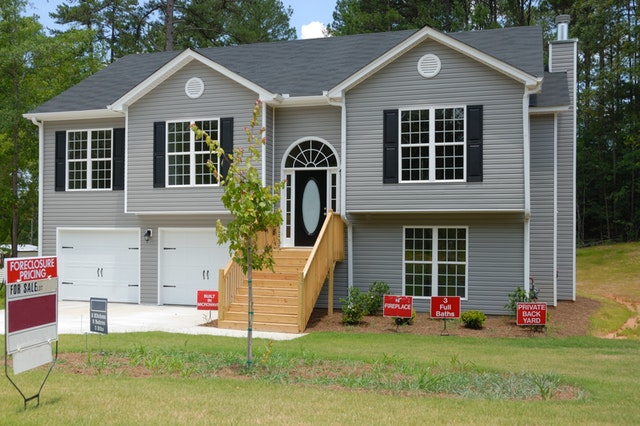 You just found your perfect home, and you feel like everything is right including the price. But, what could be wrong with your ideal home? Maybe, it is being sold as a short sale, and that could present a major challenge if you want to become be the eventual homeowner.