

Why Annual Mortgage Checkups Are a Smart Financial Habit
 Your mortgage is one of the largest financial commitments you will ever make, yet many homeowners rarely review it after closing. Just as annual physicals help you stay healthy, an annual mortgage checkup can help ensure your loan, insurance, taxes, and financial goals remain aligned. Spending a few minutes reviewing your mortgage each year can uncover opportunities to save money and avoid costly surprises.
Review Your Interest Rate
Mortgage rates change over time, and so do your financial goals. While refinancing is not the right choice for everyone, reviewing current market conditions can help you determine whether opportunities exist to lower your monthly payment, shorten your loan term, or access equity responsibly.
Check Your Escrow Account
Property taxes and homeowners insurance premiums often change from year to year. Reviewing your escrow statement helps you understand why your monthly payment may have increased or decreased and gives you time to prepare for adjustments before they affect your budget.
Evaluate Your Home Equity
As you make mortgage payments and home values change, your equity grows. Understanding how much equity you have can help you plan for future renovations, debt consolidation, or other financial goals. It also allows you to track the progress you are making toward full ownership.
Update Your Financial Goals
Life changes quickly. A new job, growing family, retirement planning, or paying off other debt may influence how your mortgage fits into your overall financial picture. An annual review is a good opportunity to make sure your home financing continues to support your long-term goals.
A mortgage should not be something you think about only when you buy or sell a home. A simple yearly review helps you stay informed, identify opportunities, and make confident financial decisions throughout your homeownership journey.
 When purchasing a home, every detail matters, especially your interest rate. One strategy that many buyers overlook is the mortgage rate buydown. A buydown allows you to lower your interest rate for the first few years of your loan, or even permanently, by paying upfront fees at closing. This option can significantly reduce your monthly payments, offering financial relief when you need it most.
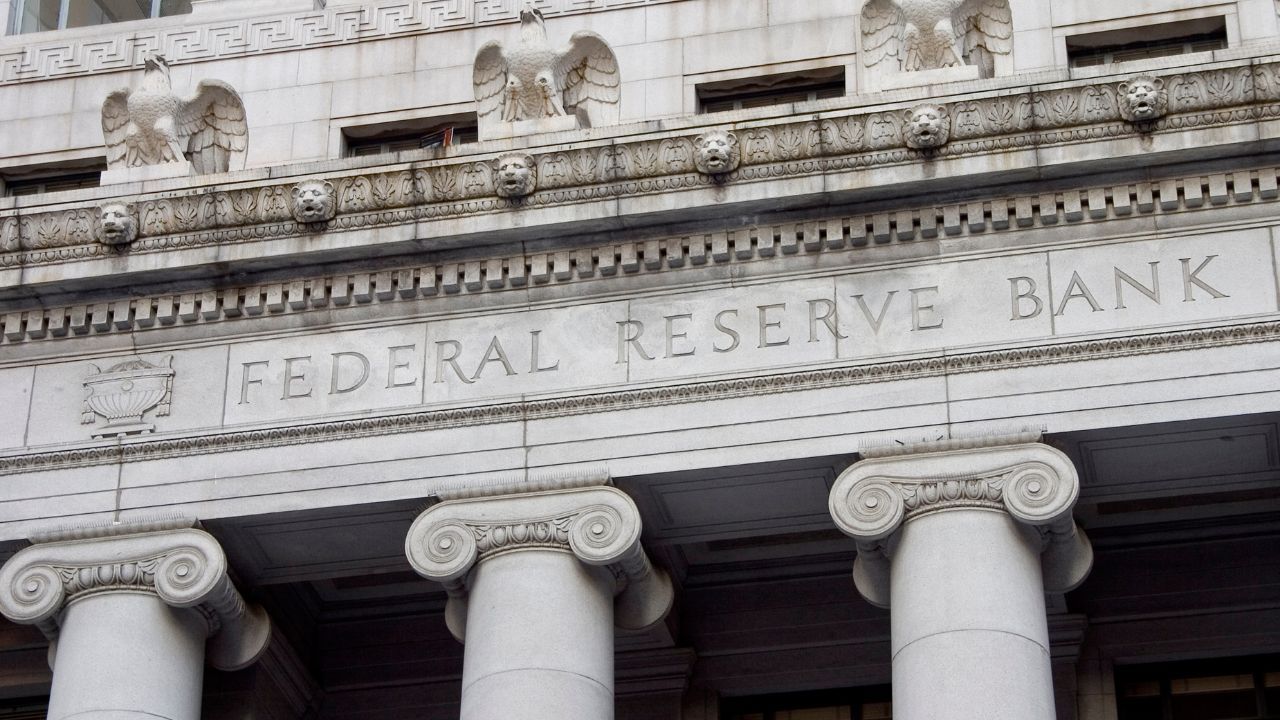 When you’re thinking about buying a home, you may hear a lot about mortgage rates going up or down. But have you ever wondered what causes these changes? One of the biggest influences on mortgage rates is the Federal Reserve, often called “the Fed.” While the Fed doesn’t set mortgage rates directly, its policies play a major role in how much you’ll pay for your home loan. Let’s break it down in simple terms: