

Homeowners in Financial Distress: Mortgage Forbearance and Loan Modification
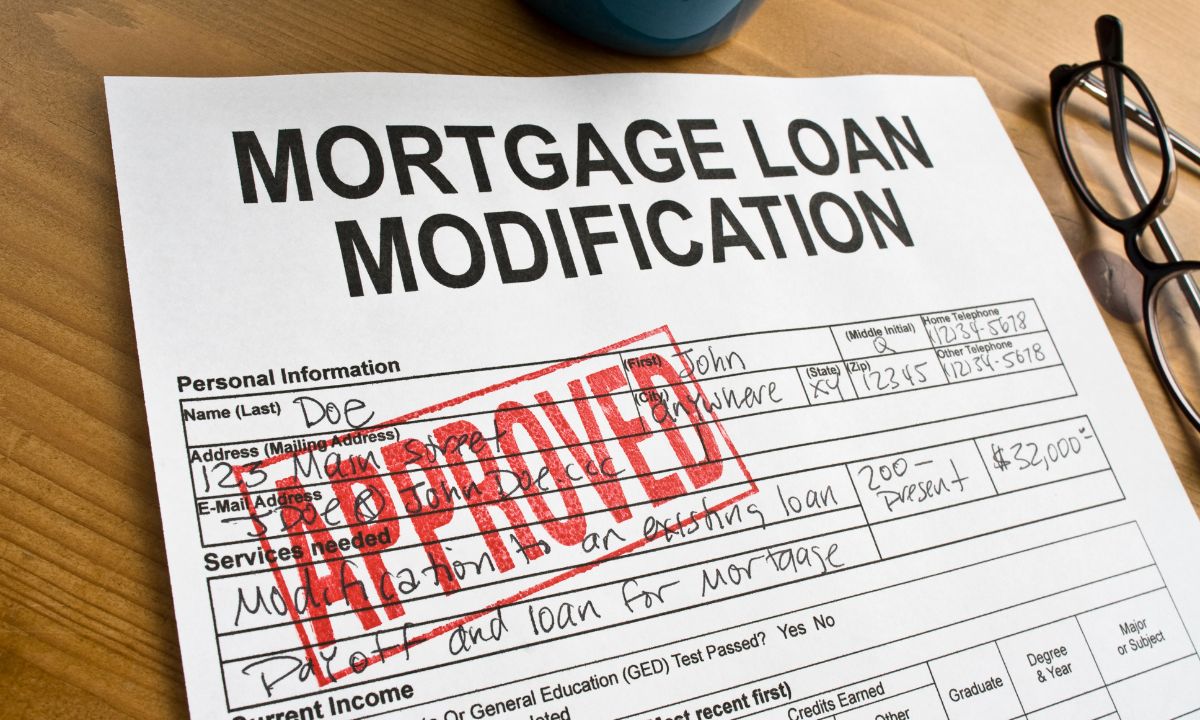 In times of financial hardship, such as job loss, medical emergencies, or economic downturns, homeowners may find it challenging to keep up with their mortgage payments. When facing such difficulties, understanding options like mortgage forbearance and loan modification can be crucial for maintaining stability and avoiding foreclosure. Let’s discuss what homeowners need to know about mortgage forbearance and loan modification, including their differences, implications, and how to navigate these options effectively.
Understanding Mortgage Forbearance
Mortgage forbearance is a temporary pause or reduction in mortgage payments granted by the lender to borrowers facing financial hardship. During forbearance, the borrower is allowed to either make reduced payments or no payments at all for a specified period, typically ranging from three to twelve months.
Key points about mortgage forbearance include:
Temporary Relief: Forbearance provides temporary relief to homeowners experiencing short-term financial difficulties, such as job loss or unexpected medical expenses.
Accrued Interest: While the borrower may not be required to make full payments during forbearance, interest continues to accrue on the outstanding balance. This means that the total amount owed will increase over time.
Repayment Options: At the end of the forbearance period, the borrower must repay the missed payments. Repayment options vary and may include a lump-sum payment, repayment plan, loan modification, or extending the loan term.
Exploring Loan Modification
Loan modification involves making permanent changes to the terms of the mortgage loan to make it more affordable for the borrower. Unlike forbearance, which provides temporary relief, loan modification aims to create a sustainable long-term solution for homeowners facing financial challenges.
Homeowners in Financial Distress: Mortgage Forbearance and Loan Modification
Permanent Changes: Loan modification may involve reducing the interest rate, extending the loan term, or even forgiving a portion of the principal balance to lower the monthly payments.
Qualification Criteria: Lenders typically require borrowers to demonstrate financial hardship and the inability to afford their current mortgage payments to qualify for loan modification.
Credit Implications: While loan modification can help homeowners avoid foreclosure and regain financial stability, it may also have implications for credit scores and future borrowing capacity.
Navigating the Process
Navigating mortgage forbearance and loan modification can be complex, but homeowners can take several steps to ensure they make informed decisions:
Contact Your Lender: As soon as you anticipate difficulty making mortgage payments, contact your lender to discuss available options. Many lenders have dedicated resources to assist homeowners facing financial hardship.
Understand the Terms: Before agreeing to any forbearance or loan modification offer, carefully review and understand the terms and implications. Clarify any questions or concerns you may have with your lender or a housing counselor.
Explore Alternatives: In addition to forbearance and loan modification, explore other options such as refinancing, selling your home, or seeking assistance through government programs or nonprofit organizations.
Seek Professional Guidance: Consider consulting with a housing counselor or financial advisor who can provide personalized guidance and help you navigate the complexities of mortgage relief options.
Mortgage forbearance and loan modification are valuable tools designed to help homeowners facing financial difficulties stay in their homes and avoid foreclosure. By understanding the differences, implications, and navigating the process effectively, homeowners can make informed decisions that best suit their financial situation.
Remember, communication with your lender is key. By proactively reaching out and exploring available options, you can take control of your financial future and work towards a solution that provides much-needed relief and stability during challenging times.
 With all of the economic uncertainties, many homeowners find themselves facing financial hardships that impact their ability to meet mortgage payments. Whether it’s due to job loss, medical emergencies, or other unexpected circumstances, the fear of losing one’s home can be overwhelming. Fortunately, there’s a lifeline available in the form of mortgage forbearance.
 Current times are tough and there are a lot of homeowners who are having trouble making ends meet. Therefore, they are looking for ways to remain financially afloat as they assess their options. One option that people might have heard a lot about is called mortgage forbearance.