

2017 Home Decor Trends: Stay on Top of Modern Trends With This Handy Guide
 Now that 2017 is here, it’s time to consider which upgrades you will make to your home. If you don’t have any major renovations planned, you can still tackle smaller projects or theme rooms. In today’s post we’ll explore some of the home decor trends expected to be popular in 2017.
Paint Colors: Confident, Composed & Comfortable
According to the color experts at paint company Behr, 2017’s trend colors express confidence, composition and comfort. If you plan on painting accent walls, rooms or even your entire home this year, these are worth exploring. Confident palette colors include the bluish-green Jade Dragon, the fiery red Hot and Spicy and more. The Composed Palette is a bit muter, with blues and grays like Laid Back Gray and Polished Aqua. For those that love pastels, the Comfortable Palette has many soft notes. Life is a Peach and Everything’s Rosy are two great light link options.
Replacing DIY With Artisanal
If you’ve owned your home for a while, you may find that over time your do-it-yourself projects have added up. While DIY upgrades are fun and cost-effective, if they don’t match or pair well they can throw off continuity in your decor. Consider 2017 a chance to replace some of your older DIY items with similar ones created by artisans. You can always gift, sell or repurpose yours to ensure they find use in a new home.
Enjoy Saving Energy With Heated Floors
Heated floors are one of 2017’s decor trends that combine luxury with responsibility. It might be tough to imagine that heated floors actually save energy, but it’s true. In-floor heating can actually heat entire rooms with less energy than other central solutions. Still using electric baseboard heaters in small areas like bathrooms? Consider heating your floors instead.
Climbing Plants Are The New Art
If you’re struggling with how to fill a blank space on a wall, consider climbing plants. Indoor vines like the Pothos (or Devil’s Ivy) can add a lively splash of green to a wall area. Or, consider using creeper vines that grow upwards. Even a small shelf with a few attractive potted plants can set off an entire wall. The more life you can add to your home, the better!
With so many colors, upgrades and DIY upgrades to choose from, 2017 is set to be a great year for home renovators.
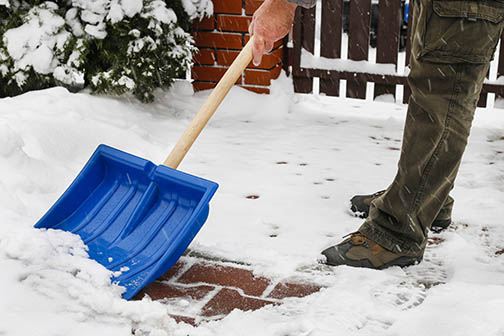 Winter may be a time for nesting until the cold weather abates, but there are a number of important tasks that a homeowner should be sure to do during the winter months. If you’re readying for the slow season or wondering what you might have forgotten, here are some things you’ll want to check off your to-do list.
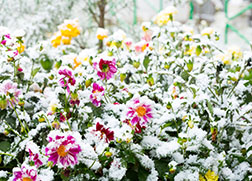 From the approaching holiday season to the New Year, there are a lot of things to prepare for when it comes to the winter. It’s important, though, not to forget about the needs of your lawn for the upcoming cold season. If you’re wondering how to ready your trees, your plants and your yard, here are some tips for saving your vegetation until the springtime.