
Understanding the Conversation Around Longer Mortgage Terms
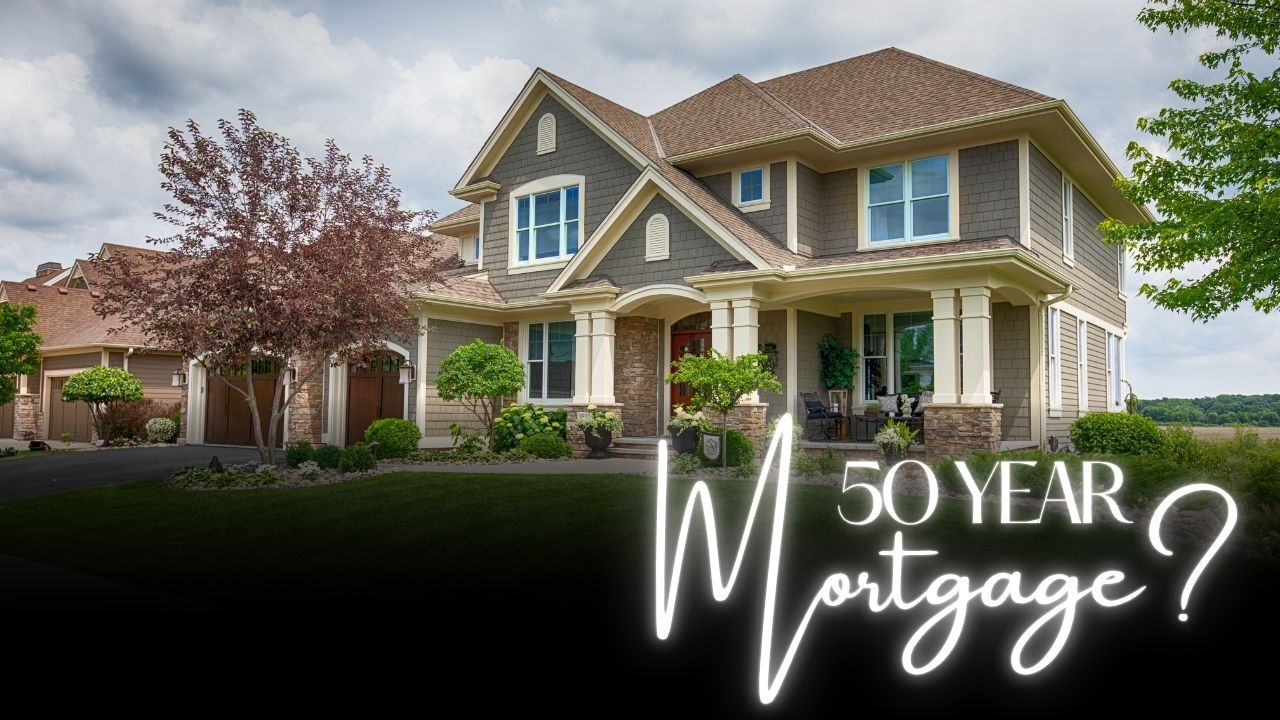
The idea of extending mortgage terms well beyond the traditional thirty years is gaining new attention. With rising home prices and tightened affordability, many buyers are wondering whether a much longer loan could help lower the monthly payment enough to make homeownership more achievable. Before deciding if this type of option makes sense, it is important to look at why the concept is being discussed and what it could mean for buyers in the real world.

Why Longer Mortgage Terms Are Being Discussed
The primary reason is affordability. Home prices have increased across many markets, and even with modest rate improvements, buyers still feel squeezed. A loan that stretches across five decades would lower the monthly payment by spreading the balance over a longer period. This can help certain buyers qualify more easily, particularly those facing high living costs or limited savings.

How Longer Terms Affect Monthly Payments
A longer loan term does offer short term relief. By dividing payments across additional years, the monthly cost drops. On a large loan amount, the difference can be a few hundred dollars per month. That amount can make a real impact on a household budget, especially for first time buyers who are navigating both loan approval and the ongoing cost of owning a home.

The Hidden Cost Over Time
The tradeoff is significant. A lower payment today means higher total interest paid over the full life of the loan. Equity builds at a much slower pace, and borrowers can remain close to the original loan balance for many years. This can affect future financial decisions, including refinancing or selling the home. Lower payments offer comfort, but the long-term numbers still matter.

Will Longer Mortgage Terms Become Common
Right now, the idea of a fifty-year mortgage is still a discussion rather than a standard lending option. Current guidelines for most traditional loans go up to thirty years, and some private programs extend to forty. Moving beyond that would require cooperation across agencies and lenders, and it may only apply to specific loan types if it becomes available at all.

What Buyers Should Do Today
Even without a fifty-year option on the market, buyers can still take steps to improve monthly affordability. Rate buydowns, adjustable-rate programs, and down payment assistance can make a meaningful difference. A conversation with a loan professional can reveal programs that fit both present needs and long-term goals. Understanding the full cost of the mortgage, not just the payment, remains essential.

The bottom line is simple: longer mortgage terms may help with monthly affordability, but they come with long-term financial considerations. Staying informed and exploring all available options is the best path forward for any buyer.
Exploring Down Payment Options and Their Impact on Mortgage Terms

Embarking on the journey of homeownership is an exciting and significant step in one’s life. One crucial aspect of this process is the down payment, which can greatly influence the terms of your mortgage. In this blog, we will delve into various down payment options and examine how they can impact your mortgage terms.

Understanding Down Payments: A down payment is a lump sum payment made upfront when purchasing a home. The standard down payment is often 20% of the home’s purchase price. However, many homebuyers may find it challenging to accumulate such a substantial amount. Thankfully, there are alternative down payment options that cater to different financial situations.

Traditional 20% Down Payment: The traditional down payment of 20% is widely considered the gold standard. By putting down 20%, you may avoid private mortgage insurance (PMI), which is an additional cost for those who put down less than 20%. A higher down payment can also result in a lower interest rate, reducing the overall cost of your mortgage.

FHA Loans (3.5% Down Payment):

The Federal Housing Administration (FHA) offers loans with a down payment as low as 3.5%. This option is particularly beneficial for first-time homebuyers or those with a limited budget. Keep in mind that with a lower down payment comes the requirement for mortgage insurance throughout the life of the loan.

VA Loans (0% Down Payment): Veterans and active-duty military personnel may qualify for VA loans, which often require no down payment. This can be a significant advantage, allowing those who have served our country to become homeowners without the immediate burden of a down payment.

USDA Loans (0% Down Payment in Eligible Rural Areas): The U.S. Department of Agriculture (USDA) offers loans with no down payment for eligible homebuyers in rural areas. These loans aim to promote homeownership in areas that may otherwise face economic challenges.

Impact on Mortgage Terms: The amount you put down upfront can have a substantial impact on your mortgage terms. Let’s explore how different down payment options influence key aspects of your mortgage:

Interest Rates: Generally, a higher down payment can lead to lower interest rates. Lenders often view a larger down payment as a sign of financial stability, reducing the risk associated with the loan.

Loan Duration: The size of your down payment can affect the length of your loan. A larger down payment may provide you with the flexibility to choose a shorter loan term, potentially saving you money on interest in the long run.

Monthly Payments: A larger down payment typically results in lower monthly mortgage payments. This can enhance your financial security and make homeownership more sustainable.

Private Mortgage Insurance (PMI): If your down payment is less than 20%, you may be required to pay PMI. This additional cost can significantly impact your monthly payments, making it essential to weigh the benefits of a lower down payment against the long-term cost of PMI.

Selecting the right down payment option is a crucial decision in the homebuying process. By exploring various choices and understanding their impact on mortgage terms, you can make an informed decision that aligns with your financial goals and circumstances. Whether you opt for a traditional 20% down payment, an FHA loan, a VA loan, or a USDA loan, each option has its advantages and considerations. Take the time to assess your financial situation and consult with a mortgage professional to determine the down payment strategy that best suits your path to homeownership.

5 Uncommon Mortgage Terms You Need to Know

5 Uncommon Mortgage Terms You Need to KnowWhen it comes to finding a new home, there are lots of complex ratios, terms, and contracts that you’ll encounter – and at times, it’ll feel like you’re trying to navigate a minefield. Here are five mortgage terms you may not encounter regularly that you’ll need to know when buying a home.

Escrow: Money Held In Trust To Pay Taxes

An escrow account is a bank account that your lender maintains on your behalf. When you close your mortgage, you’ll need to deposit a certain percent of your annual property taxes into the escrow account, which your lender will hold in trust and use to pay your property taxes.

PITI: How Your Lender Calculates Your Monthly Payments

Your lender uses a specific formula used to calculate exactly how much money you need to pay your lender each month. Each month, your mortgage payment will include portions that go toward your principal loan amount (P), your interest payment (I), your property taxes (T), and your homeowner’s insurance (I). If you have private mortgage insurance, it’ll be included with this PITI payment.

Rate Buydown: Lowering Your Interest Rate With A Larger Down Payment

A rate buydown, also known as a discount point, is a chunk of your mortgage interest that you pre-pay in order to get a lower monthly interest rate over the life of the loan. Each point you buy reduces your interest rate by a small amount.

Loan Estimate: What Your Lender Must, By Law, Give You

A loan estimate is a form that your lender is required to give you when you apply for a mortgage, as per the Truth in Lending Act. Your loan estimate will include your estimated costs of carrying the loan – including monthly payments, interest rates, and processing fees. Loan estimates allow you to compare terms and rates across different lenders.

Loan-To-Value: Determining How Much House You Can Afford

Your LTV (loan-to-value) ratio is a ratio that is used to calculate the amount of equity you have in your home and to assess your risk as a borrower. Typically expressed as a percentage, your LTV is determined by dividing the total amount of your mortgage loan by the property’s fair market value. Borrowers generally prefer to see lower LTV ratios.

Mortgages contain a variety of legal terms that can be challenging for the uninitiated to understand. But with a qualified mortgage advisor on your side, you’ll have no difficulty navigating mortgage contracts and finding the right mortgage for you. Contact your local mortgage professional to learn more.