

Should You Lock Your Interest Rate Right Away?
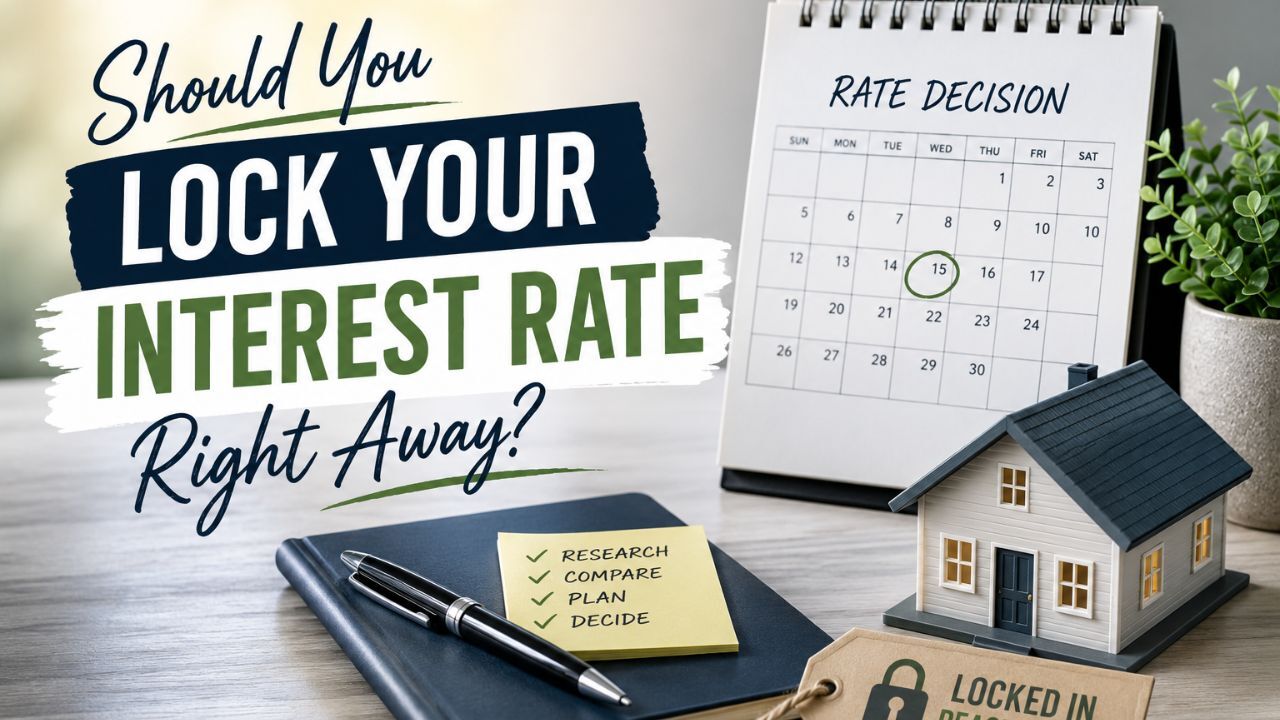 Choosing the right mortgage involves more than finding the right home. One of the most important decisions during the loan process is whether to lock your interest rate. Many buyers wonder if they should secure today’s rate or wait to see if rates improve. The answer depends on several factors, including market conditions, your closing timeline, and your comfort level with uncertainty.
What Is a Rate Lock?
A rate lock is an agreement between you and your lender that guarantees a specific interest rate for a set period of time. Most rate locks last between 30 and 60 days, although longer options may be available. If interest rates increase while your loan is being processed, your locked rate remains protected as long as your loan closes within the agreed timeframe.
Why Buyers Choose to Lock
One of the biggest advantages of locking your rate is peace of mind. Mortgage rates can change daily based on economic conditions, inflation, and financial markets. Locking your rate removes the uncertainty of wondering whether your monthly payment will increase before closing. For many buyers, knowing exactly what to expect makes it easier to budget and move forward with confidence.
When Waiting May Make Sense
In some situations, buyers may choose to wait before locking their rate if they believe market conditions could improve or if they are still several months away from closing. However, no one can accurately predict where interest rates will move next. Waiting could result in a lower rate, but it could also lead to a higher monthly payment if rates increase.
Consider Your Closing Timeline
Your expected closing date plays an important role in deciding when to lock your rate. If you are nearing the end of the home buying process, locking your rate may help protect you from unexpected market changes. If your closing is still some time away, your mortgage professional can explain whether it makes sense to lock now or wait a little longer.
Talk Through Your Options
Every homebuyer has different financial goals and a different level of comfort with risk. Your mortgage professional can explain the available rate lock options, discuss current market conditions, and help you decide which approach best fits your situation. Making an informed decision is often more valuable than trying to predict the market.
Buying a home is one of life’s biggest financial decisions, and your interest rate will affect your monthly payment for years to come. Understanding how rate locks work can help you make a confident decision and move toward closing knowing you have chosen the option that best supports your financial goals.
 Interest rates are financial numbers, but they also have a strong emotional effect on homebuyers. A small change in rate can make buyers feel excited, nervous, rushed, discouraged, or suddenly motivated. That emotional reaction is understandable, but it can also lead to decisions that are based more on fear than strategy.
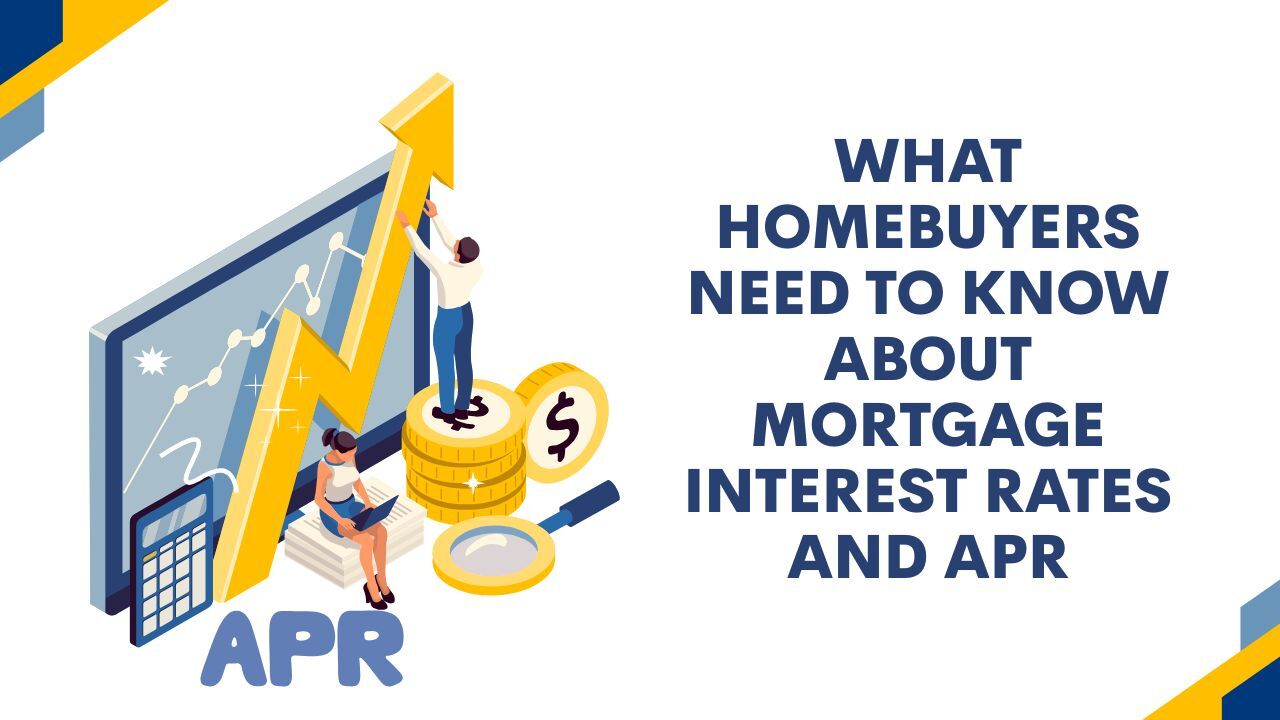 When applying for a mortgage, borrowers are often presented with several important numbers that determine the true cost of the loan. Two of the most discussed figures are the mortgage interest rate and the annual percentage rate, also known as APR. While these terms are closely related, they are not the same. Understanding the distinction between interest rate and APR is essential for comparing loan offers accurately and making informed financial decisions.